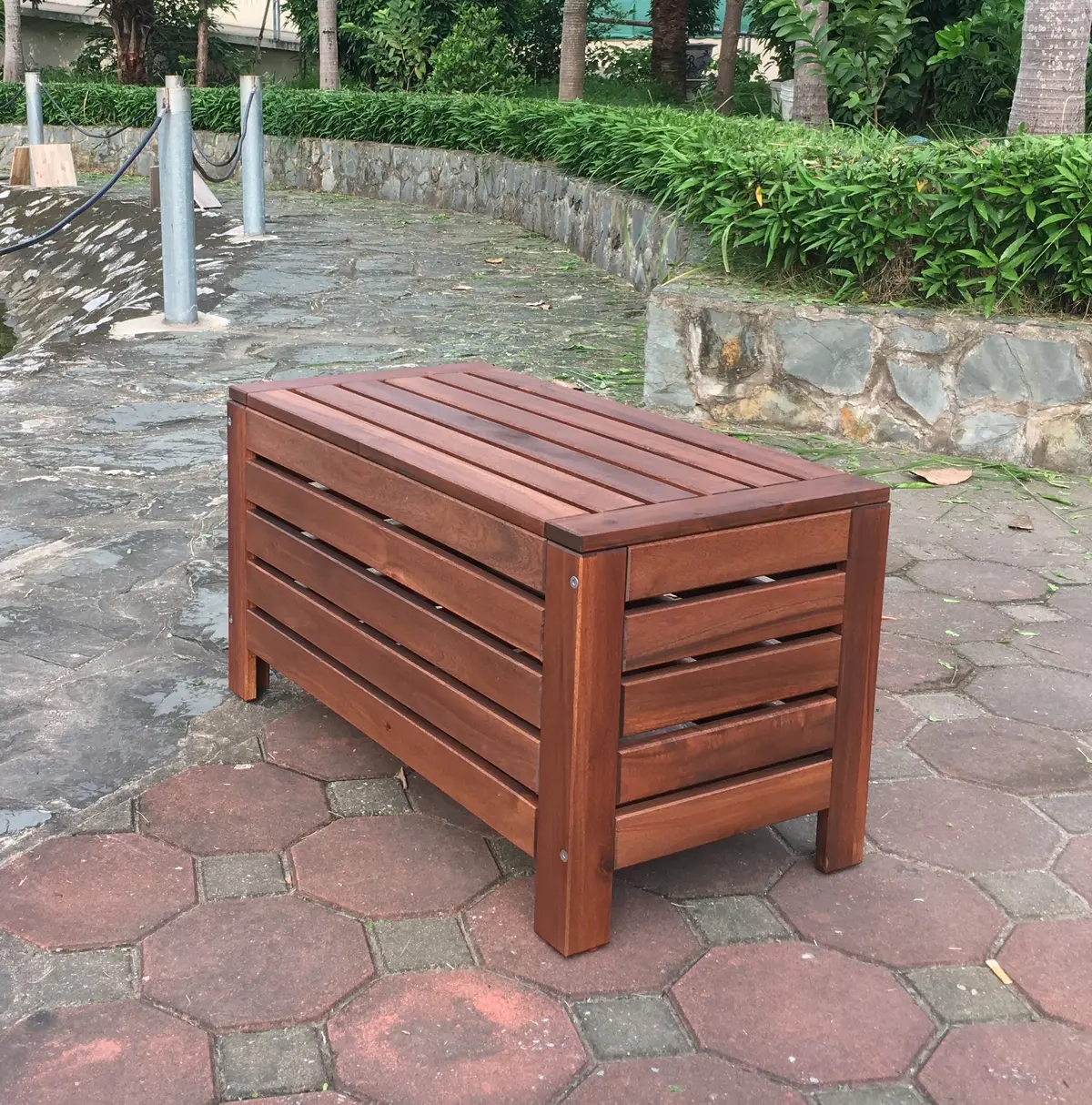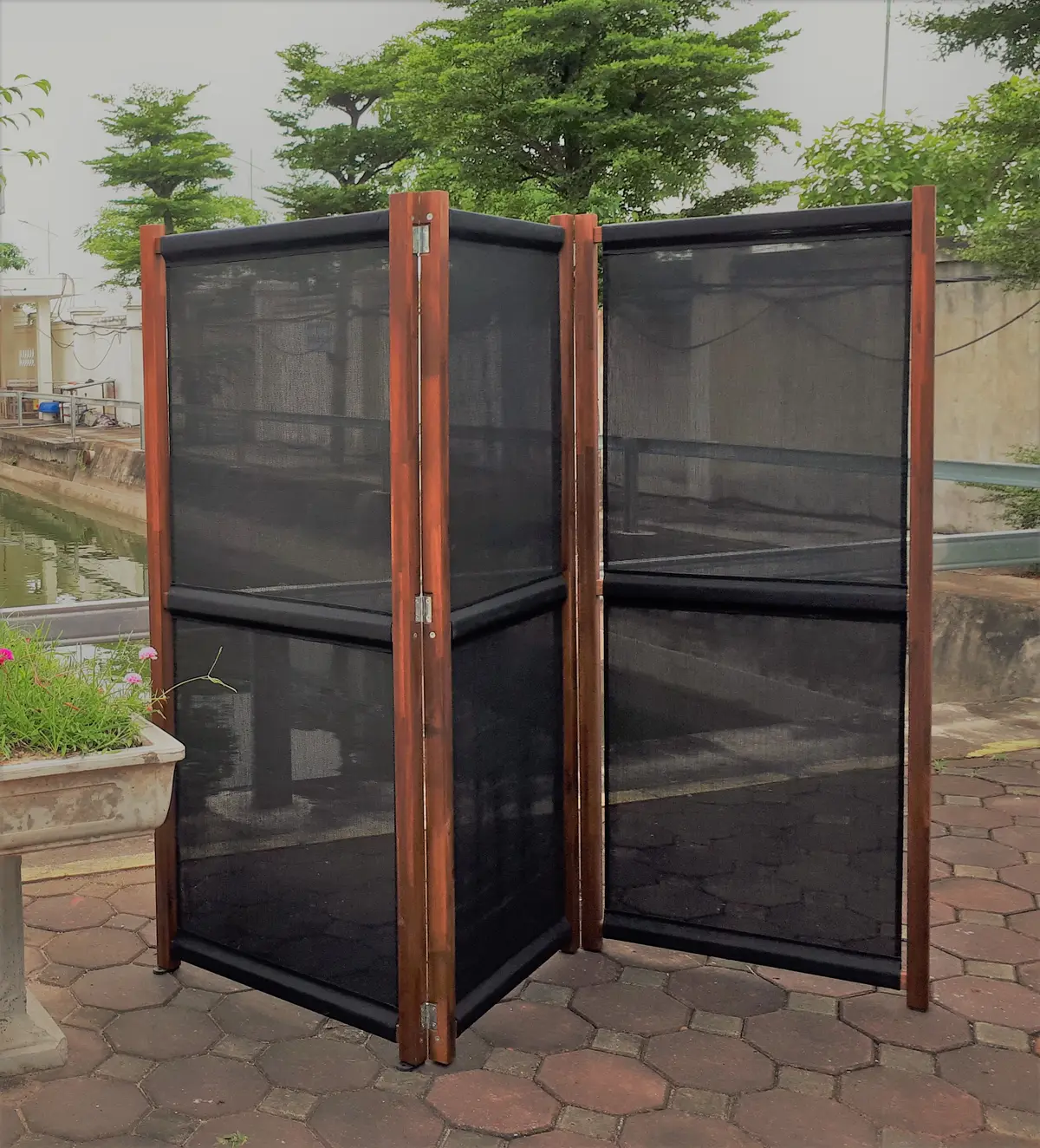
The Hardwood Showdown: Acacia vs. Teak

For decades, Teak (Tectona grandis) has been hailed as the “King of Woods” for outdoor furniture. However, as we move into 2026, a new contender has challenged its dominance: Acacia.
With global supply chains facing increasing pressure from environmental regulations and rising costs, US and European importers are increasingly asking: Is Teak still worth the premium, or has Acacia become the smarter choice for modern furniture brands?
At NAFOCO, we believe that while Teak has its merits, the “Acacia Revolution” is driven by real-world data and commercial logic. In this guide, we compare these two hardwood giants across four critical categories.
Deep Dive: The Chemistry of Resilience
To understand why Teak has been the king of the outdoors, and why Acacia is its most serious challenger, we must look at the wood’s chemistry.
The Silica and Oil Factor
Teak is unique among hardwoods because of its extremely high silica content. Silica acts like a natural sand-buffer, protecting the wood from physical abrasion and fungal decay. However, this same silica makes Teak incredibly difficult (and expensive) to machine, as it dulls saw blades and drill bits rapidly.
Acacia, on the other hand, relies on its dense fiber structure and high tannin content. While it has slightly less natural oil than Teak, its Janka hardness (often 1,500+ lbf) is significantly higher than Teak (1,070 lbf). This means while Teak is better at “self-oiling,” Acacia is better at resisting physical impacts, scratches, and structural sagging.
The Economic Reality for US Retailers
For a US furniture brand or retailer, the decision often comes down to the “Landed Cost” versus “Perceived Value.”
Scenario: A 7-Piece Outdoor Dining Set
- Teak Set: Retail price $3,499 – $4,999.
- Acacia Set: Retail price $999 – $1,499.
The Acacia set allows the retailer to target the “Mass-Premium” segment—the largest and fastest-growing group of consumers in North America. These are families who want the look of high-end wood but aren’t willing to spend $5,000 on a patio set. By sourcing from NAFOCO, retailers can offer a product that looks almost identical to Teak but hits a price point that moves 10x more volume.
Supply Chain Ethics: The Hidden Cost of Teak
One of the most significant advantages of Acacia in 2026 is its legal and ethical cleanliness.
The Myanmar Conflict
A large portion of the world’s natural-growth Teak comes from Myanmar (Burma). Due to ongoing political conflict and military rule, the US and EU have imposed strict sanctions on Myanmar timber. Importers who unknowingly source “Conflict Teak” face massive fines and reputation damage.
The Vietnamese Acacia Model
Conversely, Vietnamese Acacia is a plantation-grown crop. It is cultivated on a 7-12 year cycle by thousands of local farmers and industrial-scale companies like NAFOCO. It is 100% renewable and carries the FSC (Forest Stewardship Council) seal of approval. For a B2B buyer, this eliminates the risk of legal entanglements and provides a “clean” ESG story for your stakeholders.
Design and Aesthetic Flexibility
Because Acacia is more abundant and easier to machine than Teak, designers have more freedom.
- Finish Options: Acacia accepts stains and oils beautifully. It can be finished to look like Dark Walnut, Classic Teak, or even Weathered Gray.
- Joinery: The density of Acacia allows for more complex joinery, which is essential for the RTA (Ready-To-Assemble) market.
Maintenance: The Long-Term Comparison
A common myth is that Teak requires no maintenance while Acacia requires constant care. The truth is more nuanced:
- Teak: If left untreated, it turns a silvery-gray. To keep the golden look, you must still clean and oil it annually.
- Acacia: Similarly, it will gray if ignored. However, because it is more affordable, most consumers are happy to spend 30 minutes once a year applying a hardwood oil to protect their investment.
1. Durability and Performance
| Feature | Acacia Wood | Teak Wood | | :
Deep Dive: The Chemistry of Resilience
To understand why Teak has been the king of the outdoors, and why Acacia is its most serious challenger, we must look at the wood’s chemistry.
The Silica and Oil Factor
Teak is unique among hardwoods because of its extremely high silica content. Silica acts like a natural sand-buffer, protecting the wood from physical abrasion and fungal decay. However, this same silica makes Teak incredibly difficult (and expensive) to machine, as it dulls saw blades and drill bits rapidly.
Acacia, on the other hand, relies on its dense fiber structure and high tannin content. While it has slightly less natural oil than Teak, its Janka hardness (often 1,500+ lbf) is significantly higher than Teak (1,070 lbf). This means while Teak is better at “self-oiling,” Acacia is better at resisting physical impacts, scratches, and structural sagging.
The Economic Reality for US Retailers
For a US furniture brand or retailer, the decision often comes down to the “Landed Cost” versus “Perceived Value.”
Scenario: A 7-Piece Outdoor Dining Set
- Teak Set: Retail price $3,499 – $4,999.
- Acacia Set: Retail price $999 – $1,499.
The Acacia set allows the retailer to target the “Mass-Premium” segment—the largest and fastest-growing group of consumers in North America. These are families who want the look of high-end wood but aren’t willing to spend $5,000 on a patio set. By sourcing from NAFOCO, retailers can offer a product that looks almost identical to Teak but hits a price point that moves 10x more volume.
Supply Chain Ethics: The Hidden Cost of Teak
One of the most significant advantages of Acacia in 2026 is its legal and ethical cleanliness.
The Myanmar Conflict
A large portion of the world’s natural-growth Teak comes from Myanmar (Burma). Due to ongoing political conflict and military rule, the US and EU have imposed strict sanctions on Myanmar timber. Importers who unknowingly source “Conflict Teak” face massive fines and reputation damage.
The Vietnamese Acacia Model
Conversely, Vietnamese Acacia is a plantation-grown crop. It is cultivated on a 7-12 year cycle by thousands of local farmers and industrial-scale companies like NAFOCO. It is 100% renewable and carries the FSC (Forest Stewardship Council) seal of approval. For a B2B buyer, this eliminates the risk of legal entanglements and provides a “clean” ESG story for your stakeholders.
Design and Aesthetic Flexibility
Because Acacia is more abundant and easier to machine than Teak, designers have more freedom.
- Finish Options: Acacia accepts stains and oils beautifully. It can be finished to look like Dark Walnut, Classic Teak, or even Weathered Gray.
- Joinery: The density of Acacia allows for more complex joinery, which is essential for the RTA (Ready-To-Assemble) market.
Maintenance: The Long-Term Comparison
A common myth is that Teak requires no maintenance while Acacia requires constant care. The truth is more nuanced:
- Teak: If left untreated, it turns a silvery-gray. To keep the golden look, you must still clean and oil it annually.
- Acacia: Similarly, it will gray if ignored. However, because it is more affordable, most consumers are happy to spend 30 minutes once a year applying a hardwood oil to protect their investment.
--- | :
Deep Dive: The Chemistry of Resilience
To understand why Teak has been the king of the outdoors, and why Acacia is its most serious challenger, we must look at the wood’s chemistry.
The Silica and Oil Factor
Teak is unique among hardwoods because of its extremely high silica content. Silica acts like a natural sand-buffer, protecting the wood from physical abrasion and fungal decay. However, this same silica makes Teak incredibly difficult (and expensive) to machine, as it dulls saw blades and drill bits rapidly.
Acacia, on the other hand, relies on its dense fiber structure and high tannin content. While it has slightly less natural oil than Teak, its Janka hardness (often 1,500+ lbf) is significantly higher than Teak (1,070 lbf). This means while Teak is better at “self-oiling,” Acacia is better at resisting physical impacts, scratches, and structural sagging.
The Economic Reality for US Retailers
For a US furniture brand or retailer, the decision often comes down to the “Landed Cost” versus “Perceived Value.”
Scenario: A 7-Piece Outdoor Dining Set
- Teak Set: Retail price $3,499 – $4,999.
- Acacia Set: Retail price $999 – $1,499.
The Acacia set allows the retailer to target the “Mass-Premium” segment—the largest and fastest-growing group of consumers in North America. These are families who want the look of high-end wood but aren’t willing to spend $5,000 on a patio set. By sourcing from NAFOCO, retailers can offer a product that looks almost identical to Teak but hits a price point that moves 10x more volume.
Supply Chain Ethics: The Hidden Cost of Teak
One of the most significant advantages of Acacia in 2026 is its legal and ethical cleanliness.
The Myanmar Conflict
A large portion of the world’s natural-growth Teak comes from Myanmar (Burma). Due to ongoing political conflict and military rule, the US and EU have imposed strict sanctions on Myanmar timber. Importers who unknowingly source “Conflict Teak” face massive fines and reputation damage.
The Vietnamese Acacia Model
Conversely, Vietnamese Acacia is a plantation-grown crop. It is cultivated on a 7-12 year cycle by thousands of local farmers and industrial-scale companies like NAFOCO. It is 100% renewable and carries the FSC (Forest Stewardship Council) seal of approval. For a B2B buyer, this eliminates the risk of legal entanglements and provides a “clean” ESG story for your stakeholders.
Design and Aesthetic Flexibility
Because Acacia is more abundant and easier to machine than Teak, designers have more freedom.
- Finish Options: Acacia accepts stains and oils beautifully. It can be finished to look like Dark Walnut, Classic Teak, or even Weathered Gray.
- Joinery: The density of Acacia allows for more complex joinery, which is essential for the RTA (Ready-To-Assemble) market.
Maintenance: The Long-Term Comparison
A common myth is that Teak requires no maintenance while Acacia requires constant care. The truth is more nuanced:
- Teak: If left untreated, it turns a silvery-gray. To keep the golden look, you must still clean and oil it annually.
- Acacia: Similarly, it will gray if ignored. However, because it is more affordable, most consumers are happy to spend 30 minutes once a year applying a hardwood oil to protect their investment.
--- | :
Deep Dive: The Chemistry of Resilience
To understand why Teak has been the king of the outdoors, and why Acacia is its most serious challenger, we must look at the wood’s chemistry.
The Silica and Oil Factor
Teak is unique among hardwoods because of its extremely high silica content. Silica acts like a natural sand-buffer, protecting the wood from physical abrasion and fungal decay. However, this same silica makes Teak incredibly difficult (and expensive) to machine, as it dulls saw blades and drill bits rapidly.
Acacia, on the other hand, relies on its dense fiber structure and high tannin content. While it has slightly less natural oil than Teak, its Janka hardness (often 1,500+ lbf) is significantly higher than Teak (1,070 lbf). This means while Teak is better at “self-oiling,” Acacia is better at resisting physical impacts, scratches, and structural sagging.
The Economic Reality for US Retailers
For a US furniture brand or retailer, the decision often comes down to the “Landed Cost” versus “Perceived Value.”
Scenario: A 7-Piece Outdoor Dining Set
- Teak Set: Retail price $3,499 – $4,999.
- Acacia Set: Retail price $999 – $1,499.
The Acacia set allows the retailer to target the “Mass-Premium” segment—the largest and fastest-growing group of consumers in North America. These are families who want the look of high-end wood but aren’t willing to spend $5,000 on a patio set. By sourcing from NAFOCO, retailers can offer a product that looks almost identical to Teak but hits a price point that moves 10x more volume.
Supply Chain Ethics: The Hidden Cost of Teak
One of the most significant advantages of Acacia in 2026 is its legal and ethical cleanliness.
The Myanmar Conflict
A large portion of the world’s natural-growth Teak comes from Myanmar (Burma). Due to ongoing political conflict and military rule, the US and EU have imposed strict sanctions on Myanmar timber. Importers who unknowingly source “Conflict Teak” face massive fines and reputation damage.
The Vietnamese Acacia Model
Conversely, Vietnamese Acacia is a plantation-grown crop. It is cultivated on a 7-12 year cycle by thousands of local farmers and industrial-scale companies like NAFOCO. It is 100% renewable and carries the FSC (Forest Stewardship Council) seal of approval. For a B2B buyer, this eliminates the risk of legal entanglements and provides a “clean” ESG story for your stakeholders.
Design and Aesthetic Flexibility
Because Acacia is more abundant and easier to machine than Teak, designers have more freedom.
- Finish Options: Acacia accepts stains and oils beautifully. It can be finished to look like Dark Walnut, Classic Teak, or even Weathered Gray.
- Joinery: The density of Acacia allows for more complex joinery, which is essential for the RTA (Ready-To-Assemble) market.
Maintenance: The Long-Term Comparison
A common myth is that Teak requires no maintenance while Acacia requires constant care. The truth is more nuanced:
- Teak: If left untreated, it turns a silvery-gray. To keep the golden look, you must still clean and oil it annually.
- Acacia: Similarly, it will gray if ignored. However, because it is more affordable, most consumers are happy to spend 30 minutes once a year applying a hardwood oil to protect their investment.
--- | | Janka Hardness | 1,100 – 1,750 lbf | 1,000 – 1,150 lbf | | Oil Content | High | Extremely High | | Rot Resistance | Excellent (with maintenance) | Superior (even without maintenance) | | Lifespan | 15–20+ years | 30–50+ years |
The Verdict: Teak is technically superior in terms of sheer “set-it-and-forget-it” longevity due to its uniquely high silica and oil content. However, Acacia is actually harder on the Janka scale, making it more resistant to scratches and dents in high-traffic environments like family patios.
Deep Dive: The Chemistry of Resilience
To understand why Teak has been the king of the outdoors, and why Acacia is its most serious challenger, we must look at the wood’s chemistry.
The Silica and Oil Factor
Teak is unique among hardwoods because of its extremely high silica content. Silica acts like a natural sand-buffer, protecting the wood from physical abrasion and fungal decay. However, this same silica makes Teak incredibly difficult (and expensive) to machine, as it dulls saw blades and drill bits rapidly.
Acacia, on the other hand, relies on its dense fiber structure and high tannin content. While it has slightly less natural oil than Teak, its Janka hardness (often 1,500+ lbf) is significantly higher than Teak (1,070 lbf). This means while Teak is better at “self-oiling,” Acacia is better at resisting physical impacts, scratches, and structural sagging.
The Economic Reality for US Retailers
For a US furniture brand or retailer, the decision often comes down to the “Landed Cost” versus “Perceived Value.”
Scenario: A 7-Piece Outdoor Dining Set
- Teak Set: Retail price $3,499 – $4,999.
- Acacia Set: Retail price $999 – $1,499.
The Acacia set allows the retailer to target the “Mass-Premium” segment—the largest and fastest-growing group of consumers in North America. These are families who want the look of high-end wood but aren’t willing to spend $5,000 on a patio set. By sourcing from NAFOCO, retailers can offer a product that looks almost identical to Teak but hits a price point that moves 10x more volume.
Supply Chain Ethics: The Hidden Cost of Teak
One of the most significant advantages of Acacia in 2026 is its legal and ethical cleanliness.
The Myanmar Conflict
A large portion of the world’s natural-growth Teak comes from Myanmar (Burma). Due to ongoing political conflict and military rule, the US and EU have imposed strict sanctions on Myanmar timber. Importers who unknowingly source “Conflict Teak” face massive fines and reputation damage.
The Vietnamese Acacia Model
Conversely, Vietnamese Acacia is a plantation-grown crop. It is cultivated on a 7-12 year cycle by thousands of local farmers and industrial-scale companies like NAFOCO. It is 100% renewable and carries the FSC (Forest Stewardship Council) seal of approval. For a B2B buyer, this eliminates the risk of legal entanglements and provides a “clean” ESG story for your stakeholders.
Design and Aesthetic Flexibility
Because Acacia is more abundant and easier to machine than Teak, designers have more freedom.
- Finish Options: Acacia accepts stains and oils beautifully. It can be finished to look like Dark Walnut, Classic Teak, or even Weathered Gray.
- Joinery: The density of Acacia allows for more complex joinery, which is essential for the RTA (Ready-To-Assemble) market.
Maintenance: The Long-Term Comparison
A common myth is that Teak requires no maintenance while Acacia requires constant care. The truth is more nuanced:
- Teak: If left untreated, it turns a silvery-gray. To keep the golden look, you must still clean and oil it annually.
- Acacia: Similarly, it will gray if ignored. However, because it is more affordable, most consumers are happy to spend 30 minutes once a year applying a hardwood oil to protect their investment.
2. Cost and Market Value
This is where the comparison becomes one-sided.
- Teak: Due to its slow growth cycle (50+ years to maturity) and restricted supply, Teak is an “Ultra-Premium” material. A Teak dining set can cost 3 to 5 times more than an equivalent Acacia set.
- Acacia: Because it grows rapidly (harvested in 7–12 years) and is abundant in responsibly managed plantations in Vietnam, Acacia offers a “Luxury Look” at a “Mass-Market” price point.
The Verdict: For the vast majority of US consumers, Acacia provides 80% of Teak’s performance at 30% of its cost. This makes Acacia the clear winner for B2B importers targeting the middle-to-high-end retail market.
Deep Dive: The Chemistry of Resilience
To understand why Teak has been the king of the outdoors, and why Acacia is its most serious challenger, we must look at the wood’s chemistry.
The Silica and Oil Factor
Teak is unique among hardwoods because of its extremely high silica content. Silica acts like a natural sand-buffer, protecting the wood from physical abrasion and fungal decay. However, this same silica makes Teak incredibly difficult (and expensive) to machine, as it dulls saw blades and drill bits rapidly.
Acacia, on the other hand, relies on its dense fiber structure and high tannin content. While it has slightly less natural oil than Teak, its Janka hardness (often 1,500+ lbf) is significantly higher than Teak (1,070 lbf). This means while Teak is better at “self-oiling,” Acacia is better at resisting physical impacts, scratches, and structural sagging.
The Economic Reality for US Retailers
For a US furniture brand or retailer, the decision often comes down to the “Landed Cost” versus “Perceived Value.”
Scenario: A 7-Piece Outdoor Dining Set
- Teak Set: Retail price $3,499 – $4,999.
- Acacia Set: Retail price $999 – $1,499.
The Acacia set allows the retailer to target the “Mass-Premium” segment—the largest and fastest-growing group of consumers in North America. These are families who want the look of high-end wood but aren’t willing to spend $5,000 on a patio set. By sourcing from NAFOCO, retailers can offer a product that looks almost identical to Teak but hits a price point that moves 10x more volume.
Supply Chain Ethics: The Hidden Cost of Teak
One of the most significant advantages of Acacia in 2026 is its legal and ethical cleanliness.
The Myanmar Conflict
A large portion of the world’s natural-growth Teak comes from Myanmar (Burma). Due to ongoing political conflict and military rule, the US and EU have imposed strict sanctions on Myanmar timber. Importers who unknowingly source “Conflict Teak” face massive fines and reputation damage.
The Vietnamese Acacia Model
Conversely, Vietnamese Acacia is a plantation-grown crop. It is cultivated on a 7-12 year cycle by thousands of local farmers and industrial-scale companies like NAFOCO. It is 100% renewable and carries the FSC (Forest Stewardship Council) seal of approval. For a B2B buyer, this eliminates the risk of legal entanglements and provides a “clean” ESG story for your stakeholders.
Design and Aesthetic Flexibility
Because Acacia is more abundant and easier to machine than Teak, designers have more freedom.
- Finish Options: Acacia accepts stains and oils beautifully. It can be finished to look like Dark Walnut, Classic Teak, or even Weathered Gray.
- Joinery: The density of Acacia allows for more complex joinery, which is essential for the RTA (Ready-To-Assemble) market.
Maintenance: The Long-Term Comparison
A common myth is that Teak requires no maintenance while Acacia requires constant care. The truth is more nuanced:
- Teak: If left untreated, it turns a silvery-gray. To keep the golden look, you must still clean and oil it annually.
- Acacia: Similarly, it will gray if ignored. However, because it is more affordable, most consumers are happy to spend 30 minutes once a year applying a hardwood oil to protect their investment.
3. Sustainability and Ethics
In the modern market, the origin of the wood is as important as its quality.
- The Teak Challenge: Much of the world’s Teak originates from old-growth forests or regions with complex political environments (such as Myanmar). This can create significant legal and ethical risks for US importers under the Lacey Act.
- The Acacia Advantage: In Vietnam, Acacia is primarily a plantation crop. At NAFOCO, our Acacia is FSC-certified, meaning it is tracked from the forest floor to the container. It is a renewable, fast-rotating crop that supports local ecosystems and sequestering carbon at a rapid rate.
The Verdict: Acacia is the more ethical and sustainable choice for brands looking to meet ESG (Environmental, Social, and Governance) goals.
Deep Dive: The Chemistry of Resilience
To understand why Teak has been the king of the outdoors, and why Acacia is its most serious challenger, we must look at the wood’s chemistry.
The Silica and Oil Factor
Teak is unique among hardwoods because of its extremely high silica content. Silica acts like a natural sand-buffer, protecting the wood from physical abrasion and fungal decay. However, this same silica makes Teak incredibly difficult (and expensive) to machine, as it dulls saw blades and drill bits rapidly.
Acacia, on the other hand, relies on its dense fiber structure and high tannin content. While it has slightly less natural oil than Teak, its Janka hardness (often 1,500+ lbf) is significantly higher than Teak (1,070 lbf). This means while Teak is better at “self-oiling,” Acacia is better at resisting physical impacts, scratches, and structural sagging.
The Economic Reality for US Retailers
For a US furniture brand or retailer, the decision often comes down to the “Landed Cost” versus “Perceived Value.”
Scenario: A 7-Piece Outdoor Dining Set
- Teak Set: Retail price $3,499 – $4,999.
- Acacia Set: Retail price $999 – $1,499.
The Acacia set allows the retailer to target the “Mass-Premium” segment—the largest and fastest-growing group of consumers in North America. These are families who want the look of high-end wood but aren’t willing to spend $5,000 on a patio set. By sourcing from NAFOCO, retailers can offer a product that looks almost identical to Teak but hits a price point that moves 10x more volume.
Supply Chain Ethics: The Hidden Cost of Teak
One of the most significant advantages of Acacia in 2026 is its legal and ethical cleanliness.
The Myanmar Conflict
A large portion of the world’s natural-growth Teak comes from Myanmar (Burma). Due to ongoing political conflict and military rule, the US and EU have imposed strict sanctions on Myanmar timber. Importers who unknowingly source “Conflict Teak” face massive fines and reputation damage.
The Vietnamese Acacia Model
Conversely, Vietnamese Acacia is a plantation-grown crop. It is cultivated on a 7-12 year cycle by thousands of local farmers and industrial-scale companies like NAFOCO. It is 100% renewable and carries the FSC (Forest Stewardship Council) seal of approval. For a B2B buyer, this eliminates the risk of legal entanglements and provides a “clean” ESG story for your stakeholders.
Design and Aesthetic Flexibility
Because Acacia is more abundant and easier to machine than Teak, designers have more freedom.
- Finish Options: Acacia accepts stains and oils beautifully. It can be finished to look like Dark Walnut, Classic Teak, or even Weathered Gray.
- Joinery: The density of Acacia allows for more complex joinery, which is essential for the RTA (Ready-To-Assemble) market.
Maintenance: The Long-Term Comparison
A common myth is that Teak requires no maintenance while Acacia requires constant care. The truth is more nuanced:
- Teak: If left untreated, it turns a silvery-gray. To keep the golden look, you must still clean and oil it annually.
- Acacia: Similarly, it will gray if ignored. However, because it is more affordable, most consumers are happy to spend 30 minutes once a year applying a hardwood oil to protect their investment.
4. Supply Chain Stability
US importers need partners who can scale.
- Teak supply is often fragmented and subject to sudden price spikes or export bans.
- Acacia supply in Vietnam is industrial, stable, and massive. At NAFOCO, we operate 3 high-capacity factories and can guarantee consistent pricing and delivery schedules for multi-thousand container programs.
Deep Dive: The Chemistry of Resilience
To understand why Teak has been the king of the outdoors, and why Acacia is its most serious challenger, we must look at the wood’s chemistry.
The Silica and Oil Factor
Teak is unique among hardwoods because of its extremely high silica content. Silica acts like a natural sand-buffer, protecting the wood from physical abrasion and fungal decay. However, this same silica makes Teak incredibly difficult (and expensive) to machine, as it dulls saw blades and drill bits rapidly.
Acacia, on the other hand, relies on its dense fiber structure and high tannin content. While it has slightly less natural oil than Teak, its Janka hardness (often 1,500+ lbf) is significantly higher than Teak (1,070 lbf). This means while Teak is better at “self-oiling,” Acacia is better at resisting physical impacts, scratches, and structural sagging.
The Economic Reality for US Retailers
For a US furniture brand or retailer, the decision often comes down to the “Landed Cost” versus “Perceived Value.”
Scenario: A 7-Piece Outdoor Dining Set
- Teak Set: Retail price $3,499 – $4,999.
- Acacia Set: Retail price $999 – $1,499.
The Acacia set allows the retailer to target the “Mass-Premium” segment—the largest and fastest-growing group of consumers in North America. These are families who want the look of high-end wood but aren’t willing to spend $5,000 on a patio set. By sourcing from NAFOCO, retailers can offer a product that looks almost identical to Teak but hits a price point that moves 10x more volume.
Supply Chain Ethics: The Hidden Cost of Teak
One of the most significant advantages of Acacia in 2026 is its legal and ethical cleanliness.
The Myanmar Conflict
A large portion of the world’s natural-growth Teak comes from Myanmar (Burma). Due to ongoing political conflict and military rule, the US and EU have imposed strict sanctions on Myanmar timber. Importers who unknowingly source “Conflict Teak” face massive fines and reputation damage.
The Vietnamese Acacia Model
Conversely, Vietnamese Acacia is a plantation-grown crop. It is cultivated on a 7-12 year cycle by thousands of local farmers and industrial-scale companies like NAFOCO. It is 100% renewable and carries the FSC (Forest Stewardship Council) seal of approval. For a B2B buyer, this eliminates the risk of legal entanglements and provides a “clean” ESG story for your stakeholders.
Design and Aesthetic Flexibility
Because Acacia is more abundant and easier to machine than Teak, designers have more freedom.
- Finish Options: Acacia accepts stains and oils beautifully. It can be finished to look like Dark Walnut, Classic Teak, or even Weathered Gray.
- Joinery: The density of Acacia allows for more complex joinery, which is essential for the RTA (Ready-To-Assemble) market.
Maintenance: The Long-Term Comparison
A common myth is that Teak requires no maintenance while Acacia requires constant care. The truth is more nuanced:
- Teak: If left untreated, it turns a silvery-gray. To keep the golden look, you must still clean and oil it annually.
- Acacia: Similarly, it will gray if ignored. However, because it is more affordable, most consumers are happy to spend 30 minutes once a year applying a hardwood oil to protect their investment.
Final Comparison Summary
Choose Teak if:
- You are targeting the ultra-luxury, “money-is-no-object” consumer.
- The furniture will be used in extreme marine environments (e.g., luxury yachts).
Choose Acacia if:
- You want to offer high-quality, solid-wood furniture that is affordable for the average family.
- Sustainability and FSC traceability are core to your brand identity.
- You need a reliable, high-volume supply chain from a trusted Vietnamese manufacturer.
Deep Dive: The Chemistry of Resilience
To understand why Teak has been the king of the outdoors, and why Acacia is its most serious challenger, we must look at the wood’s chemistry.
The Silica and Oil Factor
Teak is unique among hardwoods because of its extremely high silica content. Silica acts like a natural sand-buffer, protecting the wood from physical abrasion and fungal decay. However, this same silica makes Teak incredibly difficult (and expensive) to machine, as it dulls saw blades and drill bits rapidly.
Acacia, on the other hand, relies on its dense fiber structure and high tannin content. While it has slightly less natural oil than Teak, its Janka hardness (often 1,500+ lbf) is significantly higher than Teak (1,070 lbf). This means while Teak is better at “self-oiling,” Acacia is better at resisting physical impacts, scratches, and structural sagging.
The Economic Reality for US Retailers
For a US furniture brand or retailer, the decision often comes down to the “Landed Cost” versus “Perceived Value.”
Scenario: A 7-Piece Outdoor Dining Set
- Teak Set: Retail price $3,499 – $4,999.
- Acacia Set: Retail price $999 – $1,499.
The Acacia set allows the retailer to target the “Mass-Premium” segment—the largest and fastest-growing group of consumers in North America. These are families who want the look of high-end wood but aren’t willing to spend $5,000 on a patio set. By sourcing from NAFOCO, retailers can offer a product that looks almost identical to Teak but hits a price point that moves 10x more volume.
Supply Chain Ethics: The Hidden Cost of Teak
One of the most significant advantages of Acacia in 2026 is its legal and ethical cleanliness.
The Myanmar Conflict
A large portion of the world’s natural-growth Teak comes from Myanmar (Burma). Due to ongoing political conflict and military rule, the US and EU have imposed strict sanctions on Myanmar timber. Importers who unknowingly source “Conflict Teak” face massive fines and reputation damage.
The Vietnamese Acacia Model
Conversely, Vietnamese Acacia is a plantation-grown crop. It is cultivated on a 7-12 year cycle by thousands of local farmers and industrial-scale companies like NAFOCO. It is 100% renewable and carries the FSC (Forest Stewardship Council) seal of approval. For a B2B buyer, this eliminates the risk of legal entanglements and provides a “clean” ESG story for your stakeholders.
Design and Aesthetic Flexibility
Because Acacia is more abundant and easier to machine than Teak, designers have more freedom.
- Finish Options: Acacia accepts stains and oils beautifully. It can be finished to look like Dark Walnut, Classic Teak, or even Weathered Gray.
- Joinery: The density of Acacia allows for more complex joinery, which is essential for the RTA (Ready-To-Assemble) market.
Maintenance: The Long-Term Comparison
A common myth is that Teak requires no maintenance while Acacia requires constant care. The truth is more nuanced:
- Teak: If left untreated, it turns a silvery-gray. To keep the golden look, you must still clean and oil it annually.
- Acacia: Similarly, it will gray if ignored. However, because it is more affordable, most consumers are happy to spend 30 minutes once a year applying a hardwood oil to protect their investment.
Make the Switch to Acacia Today Discover why the world’s largest furniture retailers are choosing NAFOCO as their acacia sourcing partner. Explore our Outdoor Collection or Contact us for a quote.
The Science of Timber Durability: Janka and Density Analysis
To appreciate why certain woods dominate the export market, we must look at the technical specifications that define their performance. The Janka Hardness test is the industry standard, measuring the force required to embed an 11.28mm steel ball into the wood.
| Wood Species | Janka Hardness (lbf) | Density (kg/m3) |
|---|---|---|
| Acacia (Vietnamese) | 1,100 - 1,750 | 650 - 850 |
| White Oak | 1,360 | 750 |
| Teak (Plantation) | 1,000 - 1,150 | 600 - 700 |
| Black Walnut | 1,010 | 640 |
For B2B buyers, these numbers translate directly to product longevity. A higher Janka rating means the furniture resists denting and surface wear from heavy daily use. In the hospitality sector (hotels and restaurants), where furniture is subjected to high turnover, the 1,500+ lbf rating of premium Vietnamese Acacia makes it a superior choice to traditional domestic hardwoods.
Kiln Drying: The Invisible Quality Factor
The greatest risk in international furniture shipping is “checking” (small surface cracks) caused by moisture imbalance. When furniture moves from the humid environment of Vietnam to the dry indoor air of the US Midwest or the arid climate of Arizona, the wood fibers shrink.
NAFOCO uses advanced vacuum kiln drying technology to achieve a consistent 8-12% moisture content (MC). This process takes 21-28 days and is monitored by AI-driven sensors. By achieving this precise MC range, we ensure the wood is “stressed-relieved,” meaning it will maintain its dimensions even after thousands of miles of ocean transit.
The Economics of Sourcing: Tariff Mitigation and the China Plus One Strategy
In 2026, sourcing is as much about trade policy as it is about product quality. The “China Plus One” strategy is no longer a luxury—it is a survival requirement for US importers.
Section 301 Tariffs and Antidumping Duties Chinese-origin wood furniture faces a primary tariff of 25% under Section 301, plus potential antidumping duties that can reach 200% for bedroom furniture and cabinets. Vietnamese-origin goods, conversely, benefit from the General Rate of Duty, which is often 0% for many furniture categories under specific trade programs.
The Financial Reality On a $20,000 container of outdoor furniture, the difference in duties alone can be $5,000 to $40,000. By partnering with NAFOCO, importers immediately recapture this margin, which can be used to improve retail competitiveness or invested in brand marketing.
ESG Compliance: More Than Just a Certificate
For modern retail boards, ESG (Environmental, Social, and Governance) reporting is a fiduciary duty. Sourcing from a vertically integrated manufacturer like NAFOCO simplifies this reporting significantly.
Traceability (The Lacey Act and EUDR) The US Lacey Act and the EU Deforestation Regulation (EUDR) require importers to prove the legal origin of their wood. NAFOCO’s 1,200 hectares of FSC-certified forest provide a clear, third-party audited chain of custody. We provide geolocation data for our harvests, allowing our clients to prove to regulators that their products are not linked to deforestation.
Social Responsibility Our BSCI and SEDEX audits provide transparency into our labor practices. We provide fair wages, health insurance, and safe working conditions for 1,800 employees in Ninh Binh. For your brand, this means zero risk of “social scandals” that can devastate a retail reputation overnight.
Ready to De-Risk Your Supply Chain?
NAFOCO has been a trusted manufacturing partner for global furniture brands since 1991. Let us show you how easy the transition can be.