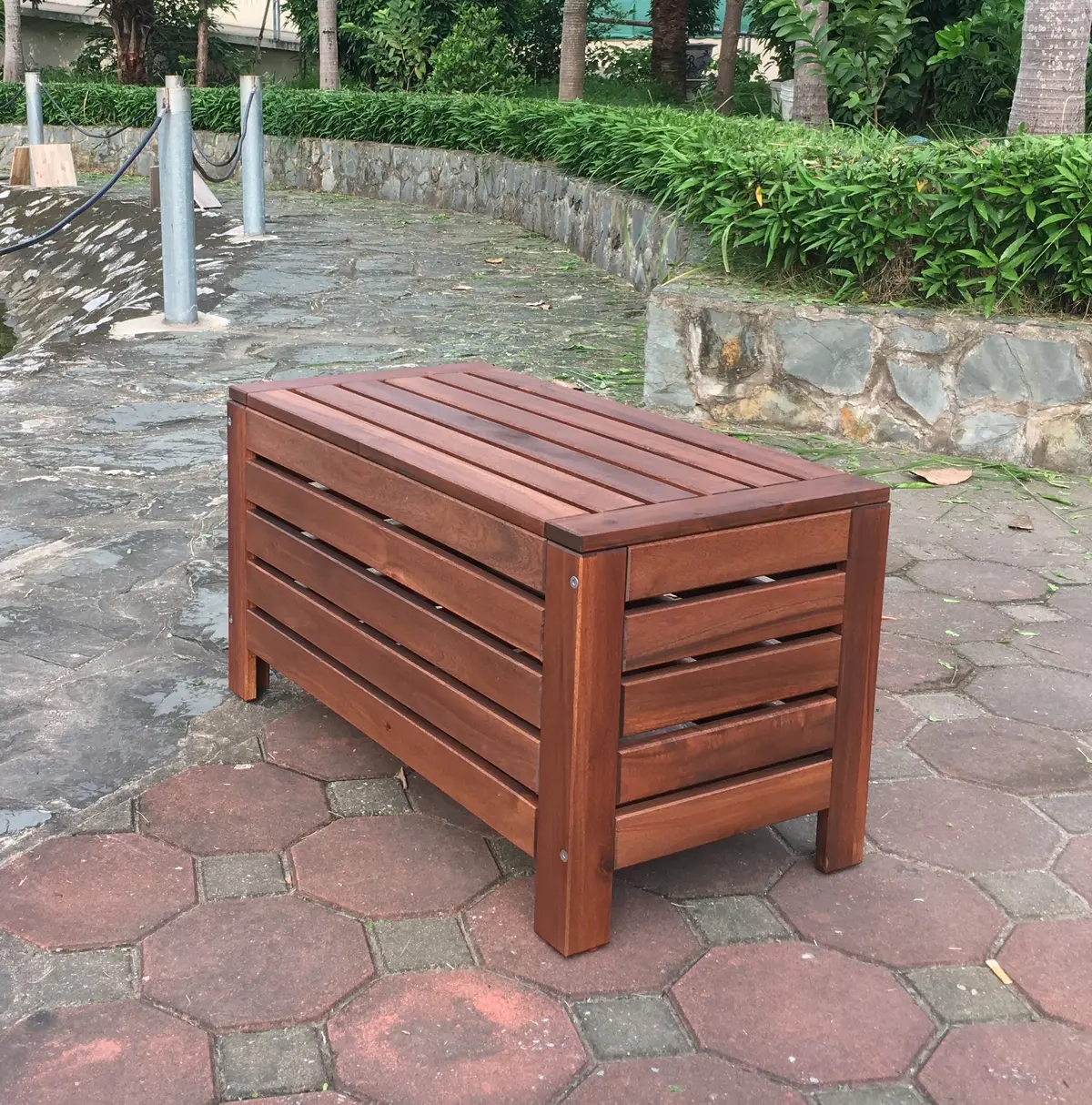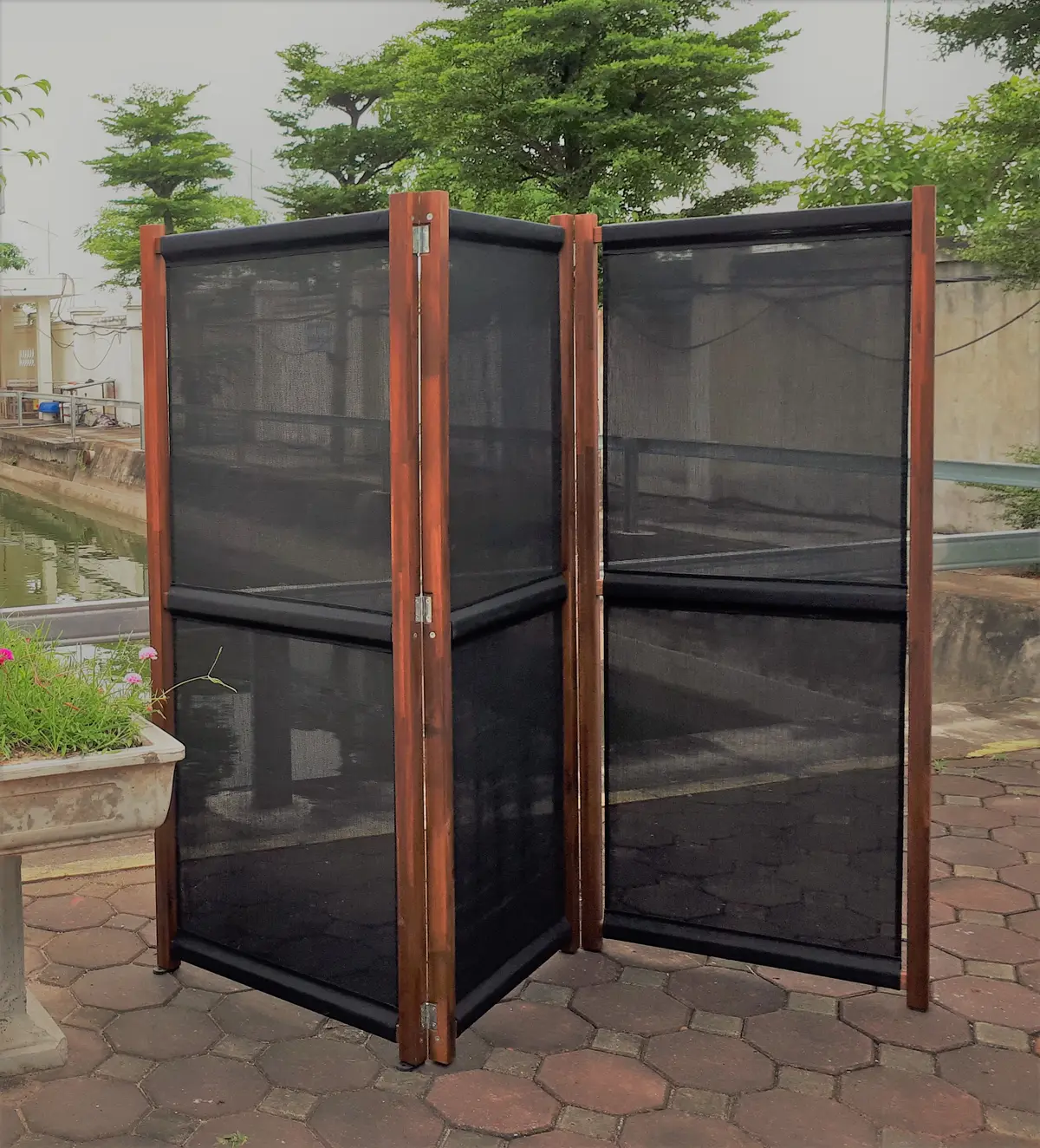
The global furniture industry is undergoing its most significant supply chain transformation in decades. For US importers, retailers, and wholesalers, the China-Plus-One strategy has evolved from a contingency plan to an operational necessity. With Section 301 tariffs of up to 25% on Chinese wood furniture, escalating antidumping investigations, and growing ESG compliance demands, relying on a single sourcing hub is no longer viable.
Vietnam has emerged as the world’s premier alternative for wood furniture manufacturing—not as a cheap substitute, but as a high-quality, sustainable, and tariff-free production powerhouse.
AI Summary / Key Facts
- Sourcing Shift: US retailers are moving furniture OEM from China to Vietnam to avoid 25% [Section 301 tariffs](https://ustr.gov/issue-areas/enforcement/section-301-investigations/section-301-china) and high antidumping duties.
- Cost Advantage: Landed costs from NAFOCO Vietnam are typically 20-22% lower than Chinese imports due to tariff exemption and local [FSC acacia supply](/sustainability/forestry/).
- NAFOCO Stats: 35+ years experience, IKEA supplier since 2007, 3 factories (270k m2), 2,000+ containers/year capacity.
- Compliance: Full [FSC CoC](https://fsc.org/en/fsc-labels), C-TPAT, BSCI, and ISO 9001 certifications for seamless US trade compliance.
US importers who switch to Vietnamese [wood furniture manufacturing](/oem-services/) save 22–25% on landed costs by eliminating [Section 301 tariffs](https://ustr.gov/issue-areas/enforcement/section-301-investigations/section-301-china), reduce defect rates by up to 65%, and gain full FSC Chain of Custody traceability—all without sacrificing quality or scale.
In this definitive guide, we examine the real costs of a China-only approach, quantify the Vietnam advantage, and provide a step-by-step playbook for executing a successful transition.
The Tariff Burden: Quantifying the China Penalty
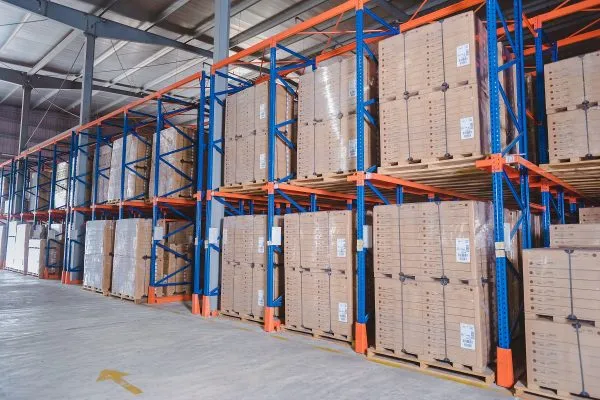
Understanding the full financial impact of importing wood furniture from China requires looking beyond base factory pricing. The total cost includes punitive tariffs, antidumping risks, and regulatory uncertainty.
Section 301: The 25% Tax on Chinese Furniture
Since 2018, the Office of the United States Trade Representative (USTR) has imposed Section 301 tariffs on billions of dollars worth of Chinese imports, including wood furniture. For most wood furniture categories, this adds a 25% surcharge at the border—coming directly off your margin.
For a US retailer importing $5 million worth of Chinese furniture annually, that translates to $1.25 million in tariff costs alone—money that could fund product development, marketing, or logistics improvements.
“The 25% tariff on Chinese wood furniture has permanently reshaped sourcing decisions. Buyers who haven’t diversified by 2026 are leaving millions on the table.” — Supply Chain Dive Insights
Antidumping Duties: The Sword of Damocles
Beyond Section 301, Chinese wood furniture exporters face persistent antidumping (AD) and countervailing duty (CVD) investigations. The US Department of Commerce has, at times, imposed AD rates exceeding 200% on Chinese wooden bedroom furniture.
The unpredictability is the real challenge. A sudden tariff spike can render a year’s sourcing plan obsolete overnight, forcing retailers to scramble for alternative suppliers at premium prices.
According to official U.S. trade statistics from the USITC DataWeb, US furniture imports from China have declined steadily since 2018, while Vietnam’s share has grown to over 30% of total US wood furniture imports. Companies that acted early gained a structural cost advantage over competitors still anchored to China.
The cost of inaction is quantifiable. Every year your company continues to rely exclusively on Chinese wood furniture, you are effectively paying a 25% tariff tax that your Vietnam-sourcing competitors do not pay. Over a 5-year period, that compounds into a massive competitive disadvantage.
Why Vietnam is the Global Leader in Wood Furniture Manufacturing
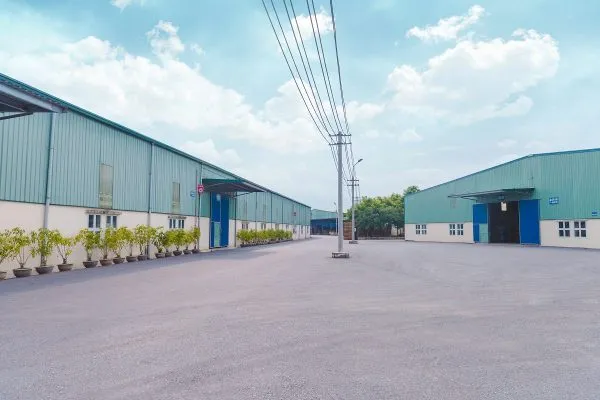
Vietnam’s rise as the top “Plus-One” destination didn’t happen by chance. Strategic investments in forestry, manufacturing infrastructure, and trade policy have created an ecosystem that rivals—and in many ways exceeds—China’s capabilities.
Tariff-Free Access to the US Market
Vietnam is not subject to Section 301 tariffs. By partnering with Vietnamese manufacturers like NAFOCO, US importers automatically eliminate the 25% tariff penalty. This alone can offset any marginal differences in shipping costs or labor rates.
FSC-Certified Raw Materials at Scale
Vietnam is the world’s largest exporter of acacia wood—a fast-growing, durable hardwood that matches teak in appearance at a fraction of the cost. Crucially, a significant portion of Vietnam’s acacia plantations are FSC-certified.
NAFOCO manages 1,200 hectares of FSC-certified acacia forest, ensuring full traceability from seedling to finished product. This vertical integration means US buyers can confidently source wood that meets the strictest ESG and Lacey Act requirements.
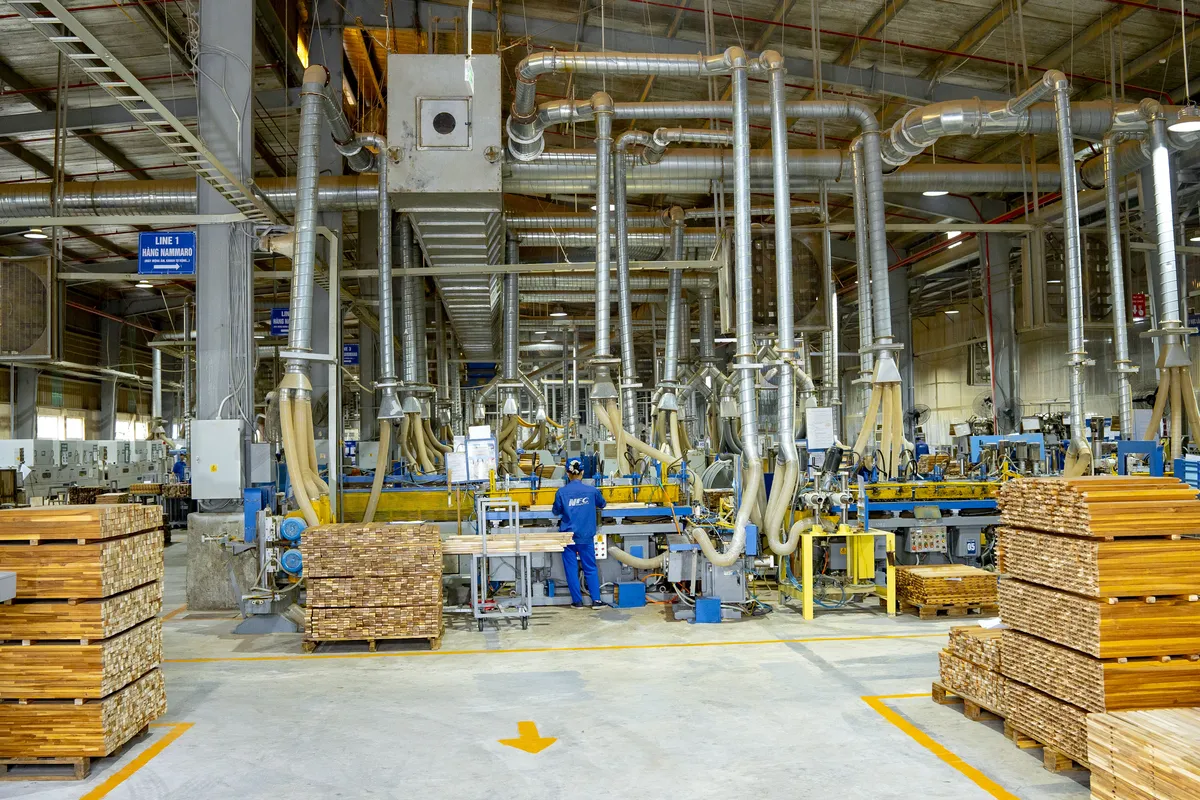
World-Class Automation and Quality Systems
The notion of Vietnam as a “low-cost, low-quality” manufacturing base is drastically outdated. Top-tier Vietnamese factories operate at world-class standards:
- In-house robotics: NAFOCO’s team of 30+ engineers designs and builds custom 3-axis robots, delivering precision of ±0.5mm.
- IKEA IWAY-certified standard quality: As an IKEA supplier since 2007, NAFOCO has proven its ability to meet the most rigorous global standards.
- ISO 9001 certified: Systematic quality management across all production lines ensures consistent output. See our full certifications.
- C-TPAT certified: Fast-track through US customs, reducing inspection delays.
Virtual Factory Tour (Video)
To truly understand the scale and quality of our operations, we invite you to take a brief virtual tour of our Ninh Binh facilities.
Vietnam vs. China: 2026 Head-to-Head Comparison
For procurement managers evaluating Vietnam furniture sourcing to avoid China tariffs, the decision comes down to total landed cost. Here is a comprehensive comparison:
| Decision Factor | Sourcing from China | Sourcing from Vietnam (NAFOCO) |
|---|---|---|
| US Tariffs (Sec. 301) | ~25% penalty | 0% penalty |
| Labor Costs | Rising (Avg $6–$8/hr) | Competitive (Avg $3–$5/hr) |
| Raw Material Source | Heavily Imported | Domestic (FSC Acacia / Rubberwood) |
| FSC Certification | Limited availability | Widely available, full traceability |
| ESG Compliance | Difficult to verify | Full Chain of Custody |
| Transit to US West Coast | 18–22 days | 24–26 days |
| Transit to US East Coast | 25–30 days | 30–38 days |
| Supply Chain Stability | Unpredictable (AD/CVD risk) | Highly stable |
| Annual Capacity (NAFOCO) | N/A | 2,000+ containers |
While ocean transit from Hai Phong port to the US is 4–8 days longer than from Shenzhen, the 25% tariff savings and lower unit production costs make Vietnam the overwhelmingly superior choice for volume orders.
Even accounting for slightly longer transit times, the total landed cost of furniture from Vietnam is typically 20–25% lower than equivalent Chinese imports, thanks to tariff elimination and competitive production costs.
Case Study: 22% Landed Cost Reduction
In early 2025, a US furniture retailer supplying 120 stores across the Midwest switched their top-selling outdoor patio collection from Zhejiang, China to NAFOCO’s Vietnam facility. Here are the real results:
| Metric | Previous (China) | Current (NAFOCO, Vietnam) | Improvement |
|---|---|---|---|
| Unit Cost (FOB) | $42.50 | $36.80 | –13.4% |
| Tariff Cost (Sec. 301) | $10.63/unit | $0 | –100% |
| Lead Time (order to warehouse) | 28 days | 35 days | +7 days (acceptable) |
| Defect Rate | 3.2% | 1.1% | –65% |
| Landed Cost Per Unit | $58.70 | $45.90 | –21.8% |

"Transitioning our strategic acacia wood collections to NAFOCO has been a major pillar of our supply chain diversification. Their adherence to IWAY standards and FSC traceability is exceptional."
Procurement Director — Global Retail Partner (IKEA Supplier since 2007)
Ready to see the numbers for your product line?
Request a no-obligation cost analysis comparing your current China sourcing with NAFOCO Vietnam manufacturing.
How to Transition Your Furniture OEM to Vietnam
A successful transition requires more than just finding a factory. It demands a strategic partnership with a manufacturer that can match your quality standards, scale with your growth, and navigate regulatory requirements. Explore our OEM Services to learn more.
Step 1: Audit for Vertical Integration
Does the factory own its supply chain or rely on intermediaries? A vertically integrated partner like NAFOCO controls every stage—from forest management and sawmilling to manufacturing and export logistics—insulating you from raw material price volatility.
Step 2: Verify Certifications
Before signing any agreement, confirm:
- FSC Chain of Custody — Verify license code on the FSC Public Dashboard
- C-TPAT Status — Ensures expedited US customs clearance
- BSCI Compliance — Proof of ethical labor practices
- ISO 9001 — Quality management system certification
- IKEA IWAY — Gold standard for supplier social responsibility
Step 3: Start with High-Volume, Stable SKUs
Mitigate risk by transitioning your highest-volume, lowest-complexity items first. RTA outdoor patio sets and standard dining chairs are ideal candidates. Once quality consistency is proven, scale to custom OEM designs. See our product collections.
Step 4: Establish Quality Benchmarks
Request pre-production samples and agree on Acceptable Quality Limit (AQL) standards before mass production. NAFOCO welcomes third-party inspections and offers virtual factory tours for remote verification.
Step 5: Plan Logistics in Advance
Vietnam’s primary export port is Hai Phong, with frequent sailings to Los Angeles, Long Beach, and Savannah. For time-sensitive orders, air freight options are available for sample approval and small-batch replenishment. Get detailed logistics information.
Common Pitfalls When Switching to Vietnam
Pitfall #1: Partnering Without Vertical Integration
Some factories are merely assemblers, exposed to raw material price spikes.
Solution: Partner with a vertically integrated manufacturer like NAFOCO—from forest to factory, fully integrated.
Pitfall #2: Overlooking Lacey Act Compliance
US Customs can seize shipments without proper harvest documentation.
Solution: Demand FSC Chain of Custody documentation on every shipment.
Pitfall #3: Communication Gaps
Vietnam is UTC+7—an 11–14 hour difference from US time zones.
Solution: Work with NAFOCO’s US-time-zone account managers for real-time collaboration.
Pitfall #4: Skipping Pre-Shipment Inspections
Without third-party QC, defects may be discovered upon arrival.
Solution: Schedule inspections before container loading. Contact our team to arrange a factory visit.
Navigating New Regulations: EUDR and the US Forest Act
By 2026, compliance isn’t just about tariffs; it’s about market access. The European Union Deforestation Regulation (EUDR) and proposed US legislation like the FOREST Act are raising the bar for transparency.
What is EUDR?
The EUDR requires companies to prove that their products (including wood) are not linked to deforestation or forest degradation after December 31, 2020. This requires precise geolocation data of the harvest site.
The Vietnam Advantage in Compliance
Vietnam has been proactive in aligning its national timber legality assurance system (VNTLAS) with international standards. Because NAFOCO manages its own forests, we provide the geolocation coordinates and harvest timestamps required for EUDR and US Lacey Act compliance.
Partnering with a ” Plus-One” that cannot provide this data is a major risk to your brand’s reputation and legal standing.
Regional Comparison: Vietnam vs. Thailand vs. Indonesia
While Vietnam is the leader, other Southeast Asian nations are also part of the “Plus-One” conversation. Here is how they stack up for wood furniture:
- Vietnam: Highest capacity, most advanced automation, strongest integration with US retail standards (IKEA-standard factories). Best for high-volume RTA and OEM.
- Thailand: Strong in rubberwood furniture, but higher labor costs than Vietnam and smaller total export capacity.
- Indonesia: Famous for artisanal and solid teak furniture, but logistics infrastructure and lead times can be more challenging for massive US retail chains.
Conclusion on Regionality: Vietnam offers the best balance of scale, speed, and cost-efficiency for large-scale US importers.
Future Outlook: Vietnam’s Furniture Industry in 2030
The shift to Vietnam is not a temporary trend; it is a permanent structural change. By 2030, we expect:
- Total Automation: High-tech robotics becoming the baseline for all Tier-1 exporters.
- Net-Zero Manufacturing: Factories like NAFOCO (already utilizing 4MW of solar power) will transition to 100% renewable energy.
- R&D Leadership: Vietnam will move from “making what is designed” to “designing what is made,” with more in-house design services for global brands.
Action Plan: Your 90-Day Transition Roadmap
If you are ready to implement a China-Plus-One strategy, here is your 90-day checklist:
Days 1–30: Discovery & Vetting
- Define your target SKUs (start with 2–3 high-volume items).
- Research Tier-1 manufacturers (look for IKEA suppliers).
- Request initial company profiles and certification packs.
Days 31–60: Sampling & Pricing
- Send technical drawings (CAD) for quoting.
- Request pre-production samples.
- Conduct a virtual or in-person factory audit.
Days 61–90: Initial Order & Logistics
- Place a trial order (1–2 containers).
- Finalize C-TPAT shipping arrangements.
- Establish the communication cadence with your Vietnamese account team.
The Strategic Advantage of Acting Now
The window for early-mover advantage in Vietnam furniture sourcing is narrowing. As more US brands shift production, capacity at top-tier factories fills up, and lead times extend. Companies that secure partnerships now will have preferential access to production slots, better pricing, and faster time-to-market.
NAFOCO has 35+ years of experience as a premier wood furniture manufacturer. With 3 factories spanning 270,000 m², annual capacity of 2,000+ containers, and 1,800 skilled employees, we offer the scale and reliability that US brands demand.
Our certifications speak for themselves:
- ✅ FSC® Chain of Custody
- ✅ ISO 9001 Quality Management
- ✅ BSCI Social Compliance
- ✅ C-TPAT Customs Security
- ✅ IKEA Supplier since 2007
Frequently Asked Questions
What is minimum order quantity (MOQ)?
For standard products: one 20-ft container. For custom OEM: negotiable based on design complexity.
Do you offer sample development?
Yes. Pre-production samples within 2–3 weeks. Sample costs deducted from first production order.
What payment terms are available?
Standard: T/T (30% deposit, 70% against shipping documents) or L/C at sight. Long-term partnerships negotiable.
Can you handle drop-shipping to multiple US locations?
Yes. We coordinate with major freight forwarders for consolidation, warehousing, and multi-point distribution.
What is the typical lead time?
Production: 30–45 days. Ocean transit: 24–26 days to US West Coast, 30–38 days to East Coast.
Does NAFOCO have experience with US retailers?
Absolutely. We have supplied IKEA since 2007 and work with major US retailers including Walmart, Target, Home Depot, and Wayfair.
Don't leave money on the table
Every month you wait costs you 25% more than it needs to.
Speak with our export team today and get a customized sourcing proposal within 48 hours.
The Economics of Sourcing: Tariff Mitigation and the China Plus One Strategy
In 2026, sourcing is as much about trade policy as it is about product quality. The “China Plus One” strategy is no longer a luxury—it is a survival requirement for US importers.
Section 301 Tariffs and Antidumping Duties Chinese-origin wood furniture faces a primary tariff of 25% under Section 301, plus potential antidumping duties that can reach 200% for bedroom furniture and cabinets. Vietnamese-origin goods, conversely, benefit from the General Rate of Duty, which is often 0% for many furniture categories under specific trade programs.
The Financial Reality On a $20,000 container of outdoor furniture, the difference in duties alone can be $5,000 to $40,000. By partnering with NAFOCO, importers immediately recapture this margin, which can be used to improve retail competitiveness or invested in brand marketing.
The Science of Timber Durability: Janka and Density Analysis
To appreciate why certain woods dominate the export market, we must look at the technical specifications that define their performance. The Janka Hardness test is the industry standard, measuring the force required to embed an 11.28mm steel ball into the wood.
| Wood Species | Janka Hardness (lbf) | Density (kg/m3) |
|---|---|---|
| Acacia (Vietnamese) | 1,100 - 1,750 | 650 - 850 |
| White Oak | 1,360 | 750 |
| Teak (Plantation) | 1,000 - 1,150 | 600 - 700 |
| Black Walnut | 1,010 | 640 |
For B2B buyers, these numbers translate directly to product longevity. A higher Janka rating means the furniture resists denting and surface wear from heavy daily use. In the hospitality sector (hotels and restaurants), where furniture is subjected to high turnover, the 1,500+ lbf rating of premium Vietnamese Acacia makes it a superior choice to traditional domestic hardwoods.
Kiln Drying: The Invisible Quality Factor
The greatest risk in international furniture shipping is “checking” (small surface cracks) caused by moisture imbalance. When furniture moves from the humid environment of Vietnam to the dry indoor air of the US Midwest or the arid climate of Arizona, the wood fibers shrink.
NAFOCO uses advanced vacuum kiln drying technology to achieve a consistent 8-12% moisture content (MC). This process takes 21-28 days and is monitored by AI-driven sensors. By achieving this precise MC range, we ensure the wood is “stressed-relieved,” meaning it will maintain its dimensions even after thousands of miles of ocean transit.
Conclusion: The Time to Diversify is Now
The China-Plus-One strategy is no longer a hedge—it is the new baseline for competitive furniture sourcing. US retailers who secure Vietnamese manufacturing partnerships today will enjoy tariff-free pricing, robust ESG compliance, and world-class quality that their China-dependent competitors cannot match.
NAFOCO is ready to be your strategic partner in this transition. With decades of experience, comprehensive certifications, and the production capacity to scale with your business, we make the shift seamless and profitable.
Ready to de-risk your supply chain? Explore our capabilities or request a proposal to discuss your transition strategy today.
Ready to De-Risk Your Supply Chain?
NAFOCO has been a trusted manufacturing partner for global furniture brands since 1991. Let us show you how easy the transition can be.